
Zeroing in on Transformer Areas | Smart Solutions for Hidden Risks of PV Reverse Load
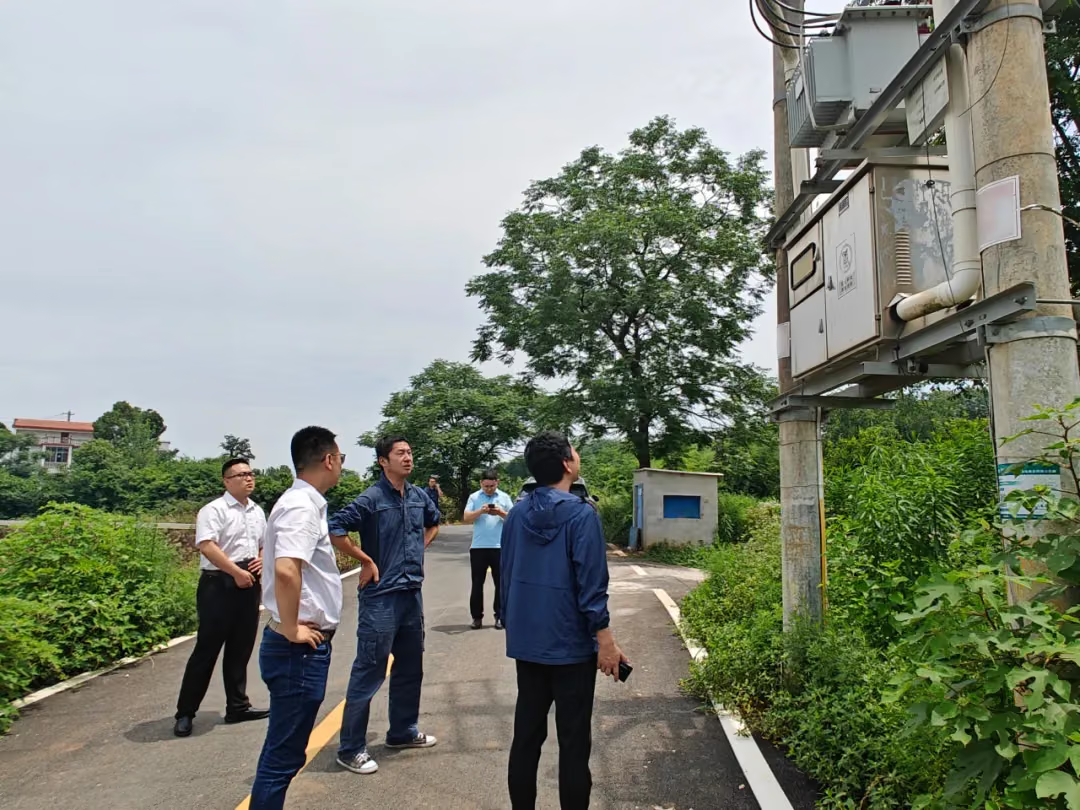 The large-scale grid integration of distributed photovoltaics continues to reshape the operating landscape of low-voltage distribution networks. Recently, the Powercent grid technology team carried out on-site surveys at three target distribution transformer areas to understand their operating conditions and precisely identify the typical grid pain points brought by new energy integration. The field surveys revealed a common pattern across the three areas: distributed PV capacity was relatively large, yet the number of resident users was small and baseline load levels were low. During the midday peak of PV output, generation far exceeded the areas' local electricity demand, causing power to flow in reverse from the load side to the source side and forming reverse power flow.
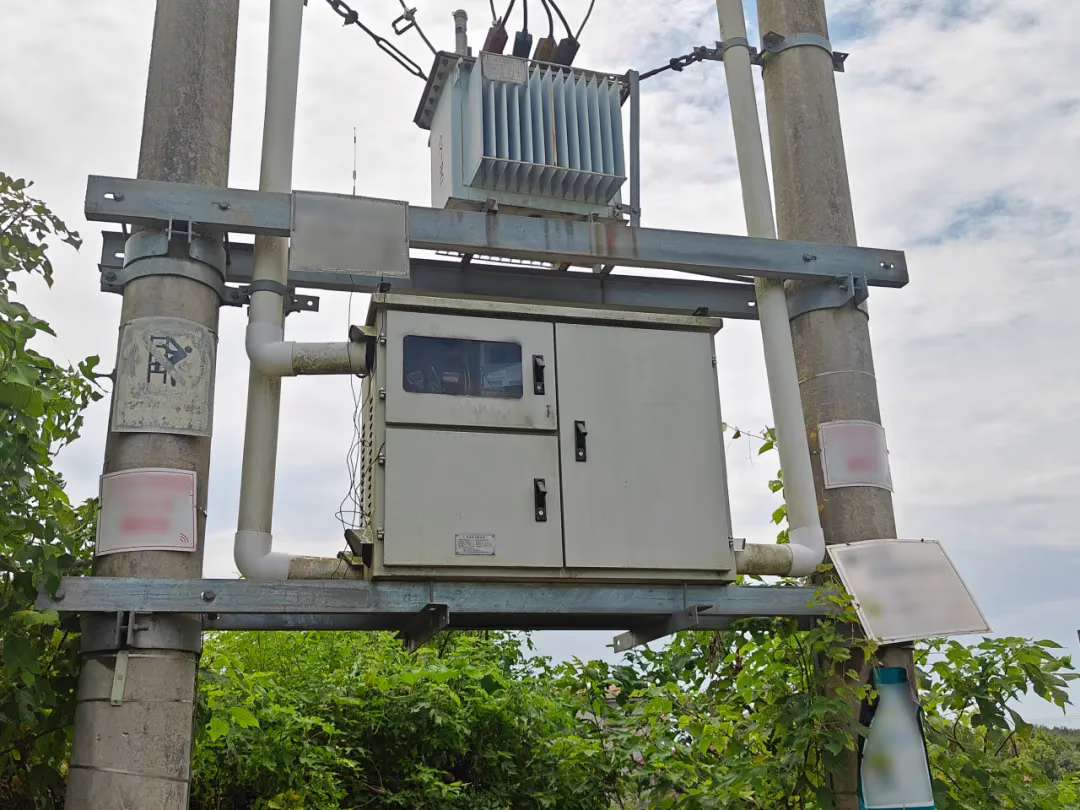
Sustained reverse power delivery directly triggers multiple operational hazards: distribution transformers suffer long-term reverse load, progressively degrading their operating conditions; voltage regulation in the transformer areas becomes increasingly difficult, making voltage excursions more likely — which not only affects the user experience, but also constrains stable PV operation and raises grid operation and maintenance pressure.
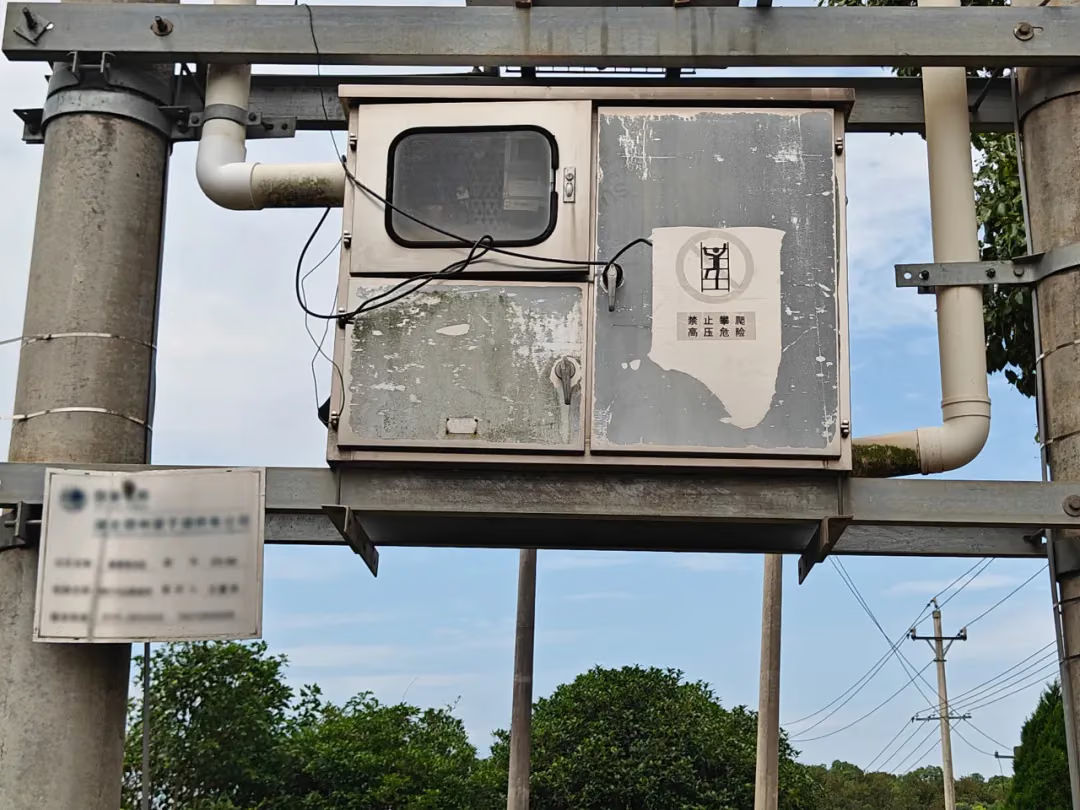
To address the governance challenge of these high-PV-penetration, light-load transformer areas, the Powercent smart comprehensive governance solution for distribution network transformer areas offers a mature implementation path. Relying on integrated intelligent regulation equipment, it can absorb surplus PV output on-site, stabilize reverse power flow, keep area voltage within a safe range, and relieve reverse overload pressure on distribution transformers — resolving voltage anomalies, equipment condition deterioration, and a range of related problems at the source.
Next, the team will develop customized governance plans tailored to each transformer area based on the survey data, and proceed with equipment installation and commissioning. Through flexible smart governance, it aims to remove the "last mile" bottleneck to new energy accommodation in the distribution network, helping transformer areas accept distributed PV safely and efficiently.